When homeowners think about landscaping, they often focus on visual benefits such as curb appeal, colorful gardens, healthy lawns, and attractive outdoor living spaces. While these features certainly contribute to a property's appearance, landscaping also plays a significant role in how a home performs throughout the changing seasons. The relationship between landscaping and seasonal property performance is rarely discussed, yet it can affect everything from drainage and energy efficiency to structural protection and outdoor usability. Thoughtfully designed and maintained landscapes help properties adapt to seasonal conditions more effectively, supporting both comfort and long-term durability.
Managing Water During Wet Seasons
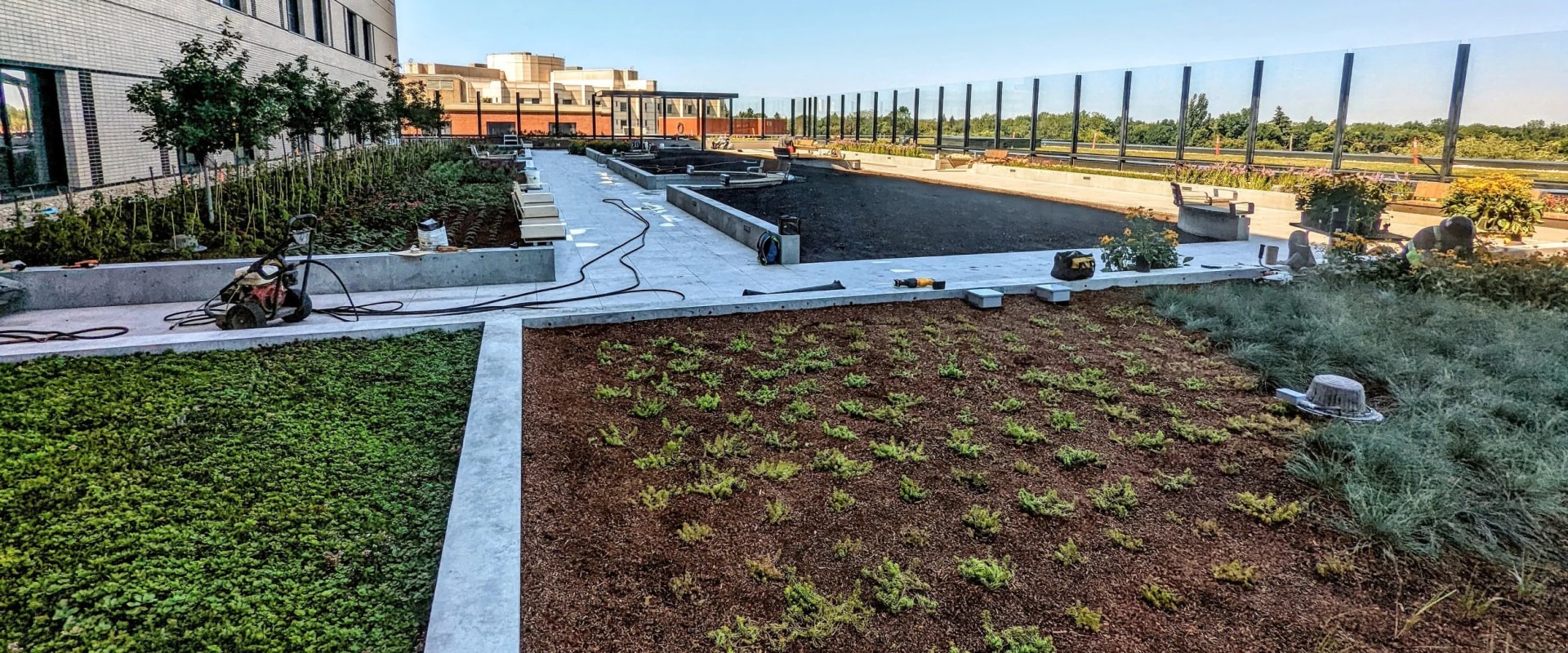
One of the most important ways landscaping influences seasonal property performance is through water management. During periods of heavy rain, poorly maintained landscapes can contribute to standing water, soil erosion, and drainage problems around the home. Improper grading, clogged drainage pathways, and inadequate plant coverage may allow water to accumulate near foundations, walkways, and other structural components. In contrast, strategically designed landscapes help direct water away from critical areas while promoting healthy absorption into the soil. Features such as rain gardens, drainage swales, mulch beds, and properly positioned vegetation can significantly improve how a property handles seasonal rainfall, reducing the risk of water-related damage.
Improving Comfort During Warmer Months
Landscaping also contributes to seasonal comfort during warmer weather. Trees, shrubs, and other plantings can provide natural shade that reduces solar heat gain around the home. Properly placed vegetation may help lower surface temperatures on patios, driveways, and outdoor living areas while reducing the amount of direct sunlight reaching windows and exterior walls. This natural cooling effect can make outdoor spaces more enjoyable and may help support energy-efficiency efforts by reducing cooling demands inside the home. The influence of landscaping on summer comfort is often underestimated, even though it can significantly affect how a property performs during hot weather.
Supporting Property Protection During Seasonal Changes
Seasonal transitions often expose homes to a variety of environmental stresses, including fluctuating temperatures, strong winds, heavy precipitation, and freeze-thaw cycles. Landscaping can help mitigate some of these effects by acting as a protective buffer around the property. Ground cover and plant roots help stabilize soil, reducing erosion during storms. Windbreaks created by strategically placed trees and shrubs may help protect structures and outdoor features from excessive exposure. These benefits contribute to the overall resilience of the property throughout the year and support long-term maintenance goals.
Enhancing Outdoor Functionality Across Seasons
Another rarely mentioned benefit of landscaping is its impact on the usability of outdoor spaces throughout different times of the year. Well-planned landscapes improve accessibility, visibility, and comfort regardless of the season. Pathways, seating areas, and gathering spaces remain more functional when supported by proper drainage and vegetation management. Homeowners researching outdoor improvement options may even see their full list of services from landscape professionals to better understand how seasonal planning can enhance the long-term functionality of their properties. Integrating landscaping into broader property management strategies helps create outdoor environments that remain enjoyable and practical year-round.
Reducing Seasonal Maintenance Challenges
Proper landscaping can also help minimize seasonal maintenance demands. Thoughtful plant selection, efficient irrigation systems, and effective drainage solutions reduce the likelihood of recurring problems that require constant attention. Landscapes designed with seasonal performance in mind often require fewer corrective measures while continuing to support the property's overall condition.
A Valuable Contributor to Year-Round Property Performance
Ultimately, landscaping affects much more than aesthetics. It plays a critical role in managing water, improving comfort, protecting structures, enhancing outdoor usability, and reducing maintenance challenges throughout the year. By recognizing the connection between landscaping and seasonal property performance, homeowners can make more informed decisions about how they design and maintain their outdoor spaces. A well-planned landscape not only improves the appearance of a property but also contributes to its long-term functionality, resilience, and overall performance in every season.