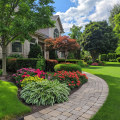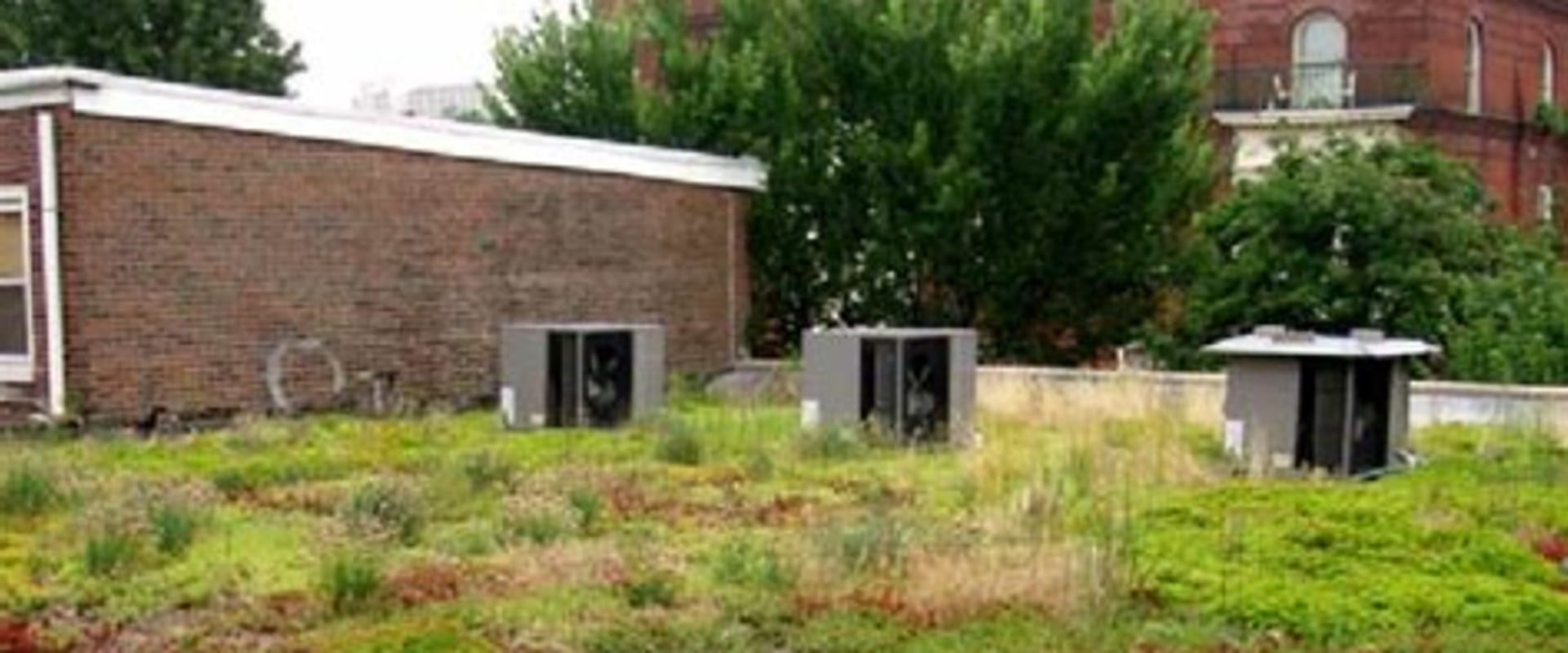
When homeowners think about roofing systems, they often focus on protecting the house itself from rain, wind, and weather exposure. However, one of the less discussed effects of roofing systems involves how roof runoff influences landscaping and plant health around the property. Every rainfall directs large amounts of water from the roof toward the ground through gutters, downspouts, and drainage systems. If this runoff is not properly controlled, it can gradually affect soil stability, plant growth, garden beds, and overall landscape design. While these changes may develop slowly over time, poorly managed roof drainage can quietly alter outdoor environments in ways that impact both the appearance and health of surrounding landscaping features.
Excess Water Can Damage Soil and Plant Roots
Plants rely on balanced moisture conditions to grow properly, but concentrated roof runoff often delivers far more water than landscaping areas are designed to handle. When downspouts repeatedly discharge water into the same location, the soil may become oversaturated and compacted. Excessive moisture can weaken root systems, reduce oxygen availability in the soil, and increase the likelihood of root rot for sensitive plants. Flower beds, shrubs, and decorative landscaping near roof drainage outlets are especially vulnerable because they receive repeated exposure during every rainfall. In some cases, homeowners may notice dying grass, washed-out mulch, or struggling plants without realizing the roof drainage system is contributing to the problem.
Erosion Quietly Alters Landscape Design
Roof runoff does not only affect plant health; it can also slowly reshape landscaping layouts through erosion and soil displacement. During heavy rain, concentrated water flow from clogged or poorly positioned gutters may carve channels into the ground, wash away topsoil, and expose plant roots. Sloped yards are particularly vulnerable because runoff naturally gains speed as it travels downhill. Over time, these drainage patterns may create uneven surfaces, damaged walkways, or unstable planting areas that require expensive landscape repairs. Roofing professionals often recognize that drainage systems play a major role in preserving outdoor environments, not just protecting the structure itself. Companies such as A1 Roofing Services understand that proper gutter placement and runoff management help support healthier landscaping conditions while reducing long-term erosion risks around the property.
Roof Debris Can Affect Soil Quality
Roof runoff may also carry debris and contaminants into surrounding landscape areas. Leaves, granules from aging shingles, dirt buildup, and organic material washed from the roof can collect near garden beds and planting zones. Over time, this debris may affect soil composition and drainage performance in ways that influence plant health. Clogged gutters can worsen the issue by causing water to overflow unpredictably across landscaped surfaces. In areas where water pools repeatedly, mold growth, fungal issues, or excessive moisture retention may begin affecting nearby vegetation. Certain plants are especially sensitive to standing water and may decline quickly when drainage conditions become inconsistent.
Landscape Planning Should Consider Roofing Drainage
One reason roofing runoff problems are often overlooked is because landscaping and roofing systems are rarely evaluated together during property improvements. Homeowners may invest heavily in decorative gardens, retaining walls, patios, or irrigation systems without fully considering how roof drainage patterns interact with those features. Downspout placement, grading, drainage extensions, and gutter capacity all influence how water moves through the landscape during storms. Proper planning helps prevent runoff from overwhelming sensitive planting areas while supporting healthier moisture distribution across the property.
Preventive Drainage Maintenance Supports Healthier Landscapes
Routine roof and gutter maintenance can significantly reduce the impact of runoff on landscape design and plant health. Cleaning gutters, repairing drainage systems, and extending downspouts away from vulnerable planting areas all help control water flow more effectively. In some cases, additional drainage solutions such as splash blocks, French drains, or rain gardens may help redirect runoff more safely throughout the property. By understanding the relationship between roofing systems and landscaping performance, homeowners can better protect both the structural integrity of the home and the long-term health of their outdoor spaces. Proper drainage management supports stronger plants, healthier soil conditions, and more sustainable landscape designs over time.