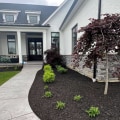
The period between move-out and move-in is one of the most vulnerable phases in a property’s lifecycle, especially when it comes to landscaping. Once occupants leave, routine care often pauses, yet new residents or tenants have not arrived to resume it. This gap can last days or weeks, depending on market conditions, inspections, or renovation schedules. During this time, lawns continue to grow, irrigation systems run unchecked, weeds spread rapidly, and debris accumulates. What was once a maintained landscape can quickly appear neglected, even though no single party feels directly responsible. This transitional blind spot creates a disconnect between interior readiness and exterior condition, leaving properties visually and functionally incomplete at the very moment they are meant to present their best face.
How Moving Activity Intensifies Landscaping Gaps
Move-out logistics themselves often worsen landscaping issues. Heavy foot traffic, furniture staging, and truck positioning can damage turf, compact soil, and break edging or sprinkler heads. Temporary placement of boxes or discarded items on lawns can suffocate grass and leave visible dead zones. While professional moving teams such as Mountain Movers Austin TX typically focus on efficiency and care around structures, landscaping is still exposed to unavoidable strain during large-scale transitions. Once the move is complete, attention shifts almost entirely indoors—cleaning, repairs, and staging—while outdoor damage remains unaddressed. By the time the next occupant arrives or a showing is scheduled, landscaping problems have already had time to escalate beyond quick fixes.
The Service Disconnect Between Vendors and Owners
One of the core reasons landscaping suffers during this gap is the lack of clear responsibility. Landscaping services are often tied to occupancy contracts rather than property status. When tenants move out, services may be canceled automatically, even though the property remains active and visible. Property managers may assume a short vacancy doesn’t justify continued service, while landlords may expect managers to handle exterior upkeep. This service disconnect leads to missed mowing cycles, unmonitored irrigation leaks, and unchecked plant stress. Seasonal factors amplify the problem; a single missed week in peak growing season can undo months of consistent care. Without a predefined plan for the move-out to move-in window, landscaping becomes an afterthought rather than a maintained asset.
Long-Term Impact on Perception and Property Value
The consequences of landscaping gaps extend beyond aesthetics. Overgrown or damaged outdoor spaces can signal neglect to prospective tenants or buyers, influencing first impressions before anyone steps inside. In commercial or multifamily settings, unmanaged landscaping may raise safety concerns, such as obscured walkways or pest attraction. Financially, minor issues left unattended can evolve into costly repairs—eroded soil, dying plants, or water damage from faulty irrigation. Strategically bridging the landscaping service gap preserves curb appeal, protects prior investments, and ensures continuity in property presentation. Ultimately, recognizing this overlooked interval as a critical maintenance phase allows owners and managers to align moving schedules, vendor contracts, and care plans, ensuring that the transition between occupants does not come at the expense of the landscape itself.