Landscaping services have evolved far beyond basic lawn maintenance, now encompassing strategic design, environmental sustainability, and efficient resource management. A well-maintained landscape not only enhances curb appeal but also contributes to the overall functionality of a property. From plant selection to soil conditioning and layout planning, professional landscaping ensures that outdoor spaces are both visually appealing and practical. One of the most important aspects of modern landscaping is water management, which directly impacts plant health, soil stability, and the performance of irrigation systems.
The Importance of Smart Irrigation Systems
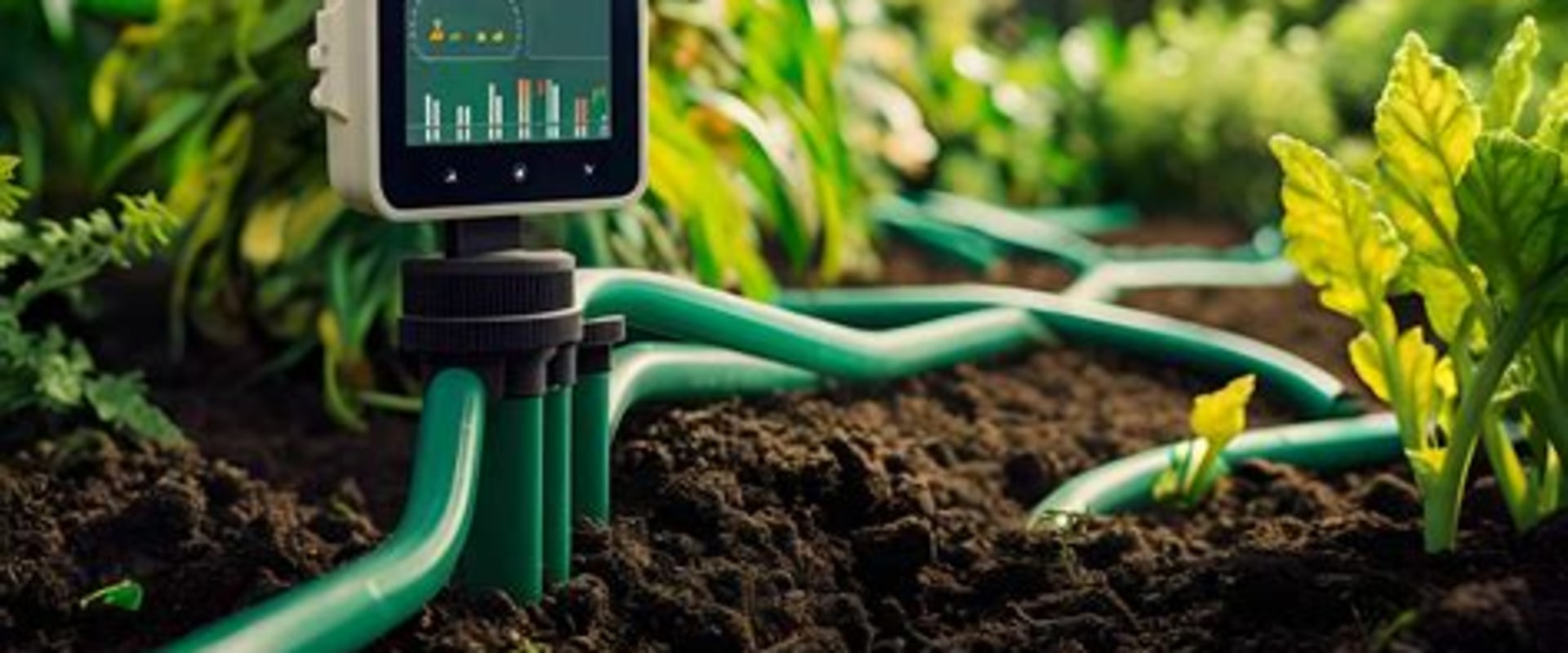
Smart irrigation systems have become an essential component of effective landscaping services. These systems use advanced technology, such as weather sensors and automated controllers, to deliver the right amount of water at the right time. This precision reduces water waste and ensures that plants receive consistent hydration, promoting healthier growth. Unlike traditional irrigation methods, smart systems adapt to changing environmental conditions, preventing overwatering or underwatering. This not only conserves water but also helps maintain balanced soil conditions, which are critical for supporting both plant life and underlying infrastructure.
Addressing Water Pressure and System Efficiency
Efficient irrigation depends heavily on maintaining proper water pressure throughout the system. Inconsistent or low pressure can lead to uneven watering, leaving some areas dry while others become oversaturated. Homeowners dealing with issues such as low water pressure in Dallas TX may notice that their irrigation systems struggle to perform effectively. Addressing these concerns through proper system design, maintenance, and upgrades ensures that water is distributed evenly across the landscape. Regular inspections help identify leaks, blockages, or equipment malfunctions that could affect performance, allowing for timely repairs and improved efficiency.
Integrating Irrigation with Overall Landscape Design
Smart irrigation systems work best when they are integrated into a comprehensive landscape design. This includes grouping plants with similar water needs, optimizing sprinkler placement, and ensuring proper drainage. Landscaping professionals take these factors into account to create a cohesive system that supports both aesthetic and functional goals. By aligning irrigation with the natural characteristics of the property, they can minimize water waste and enhance the overall health of the landscape. This integrated approach also reduces the strain on plumbing systems, as efficient water use prevents unnecessary pressure fluctuations and potential damage.
Long-Term Benefits of Smart Landscaping Solutions
Investing in landscaping services that incorporate smart irrigation systems offers significant long-term benefits. Homeowners can enjoy lower water bills, healthier plants, and reduced maintenance costs over time. Additionally, efficient water management contributes to environmental sustainability by conserving a valuable resource. A well-designed and properly maintained irrigation system also enhances property value, making it an attractive feature for potential buyers. By combining professional landscaping expertise with advanced irrigation technology, homeowners can create outdoor spaces that are both beautiful and sustainable, ensuring lasting performance and enjoyment for years to come.